

This CDS packaging guide shows you step by step how to prepare your shipment safely for dispatch in boxes or on pallets. Proper packaging protects your IT and high-tech devices in transit, avoids delays and prevents additional costs.

The sender is responsible for packing goods properly. Incorrectly packed shipments can lead to damage, delivery delays and additional charges. To avoid this, the following steps explain how to prepare your shipment for dispatch in boxes or on pallets.
Legal information
Please pack the goods you are shipping at least in accordance with this packaging guide. If damage occurs in transit due to incorrect or missing packaging, no claims for damages can be made.
How to pack your goods safely in a box in 5 steps:

Make sure your box is sturdy, in good condition and has sufficient edge protection.

Choose the right box size for your product. Ensure there is enough inner packaging and fill any gaps with filler material if necessary.
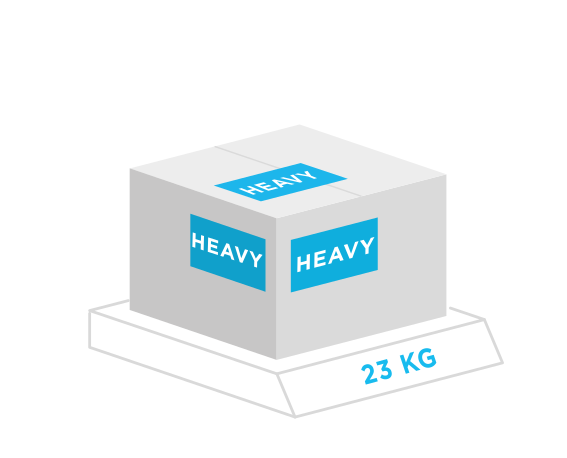
Mark heavy boxes (23 kg or more) with a label reading “HEAVY”. Shipments that cannot be stacked must be clearly marked as such on all sides. Otherwise, no liability is accepted for damage caused by loads. Parcels sent via parcel services must also withstand a drop height of 80 cm.

A loading aid (pallet) is required for products weighing 70 kg or more and for used printing systems filled with ink or toner. Displays of 32 inches or larger may only be shipped on a pallet and must be marked as non-stackable.

Seal the box with suitable adhesive tape in an H pattern on the top and bottom.

Make sure the box is clearly labelled by removing old labels and attaching the new one smoothly and legibly on the top.
How to prepare a pallet shipment safely:
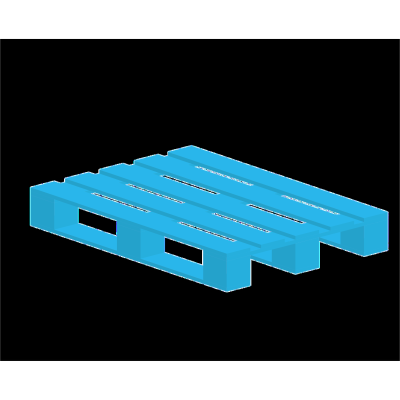
When choosing a pallet, make sure it is made of wood or plastic. The pallet must not be damaged, as safe transport cannot otherwise be guaranteed.

Boxes or crates should be stacked in columns, as this ensures maximum stacking strength. If the contents are solid, a brick pattern can also be used for greater stability. Items should fit well on the pallet and must not overhang the edges. At the same time, the load should be kept as low as possible. The goods on a pallet must be secured so that they form a single, inseparable unit. Exposed, sharp objects should be avoided or sufficiently padded so that there is no risk of injury.

Use stretch film (at least gauge 60) and, if necessary, strapping to secure the goods on the pallet.
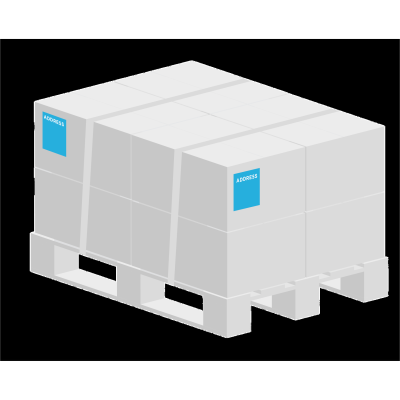
Attach labels and shipping documents to the side of the pallet, as it may be stacked. Mark non-stackable pallets with labels or cones.

The sender is responsible for packing goods properly. If packaging is inadequate, no claims for damages can be made.
Mark heavy boxes (23 kg or more) with a label reading “HEAVY”.
A pallet is required for products weighing 70 kg or more and for used printing systems filled with ink or toner. Displays of 32 inches or larger may only be shipped on a pallet and must be marked as non-stackable.
Seal the box with suitable adhesive tape in an H pattern on the top and bottom.
Use stretch film (at least gauge 60) and, if necessary, strapping.
On boxes, the label should be clearly legible on the top; on pallets, attach labels and shipping documents to the side.
Not sure how to pack a particular IT or high-tech device? As an ISO 9001:2015 certified service provider with our own high-tech logistics, we are happy to help. Get in touch